
How to Grow Pothos in Aquarium: A Beginner's Step-by-Step Guide
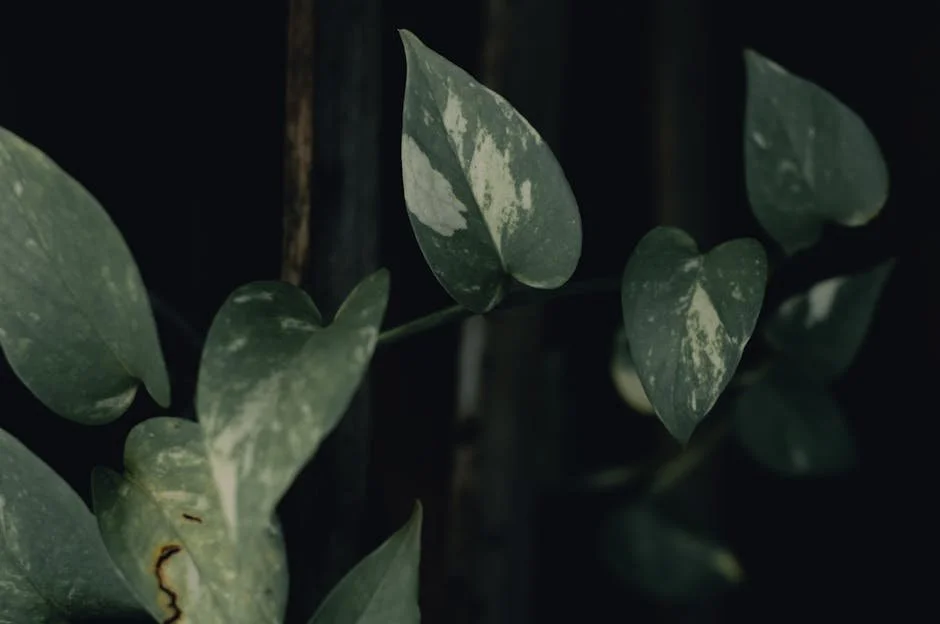
Photo by Jessika Arraes on Pexels
Adding a hardy houseplant to your fish tank might seem unusual, but pothos (Epipremnum aureum) has become a favorite among aquarium hobbyists for good reason. This fast-growing vine thrives in water, absorbs nitrates from the water column, and helps reduce algae growth. Best of all, you can start with a single cutting and see results in weeks. This guide walks you through everything you need to know as a complete beginner, from choosing your first cutting to positioning it securely on the rim of your tank.
Pothos is one of the easiest emergent plants you can add to an aquarium. It does not require soil, it tolerates low light, and it does not need fertilizer once it is in the tank. The roots pull nutrients directly from the water, making it a natural filter that works alongside your existing equipment. Aquarium Co-Op notes that pothos grows especially fast in tanks with a high bioload, meaning lots of fish waste provides all the feeding the plant needs.
Why Pothos Helps Your Aquarium Water Quality
Fish produce ammonia, which is converted into nitrites and then nitrates as part of the nitrogen cycle. Nitrates are less toxic than ammonia, but high levels can stress fish, promote algae blooms, and require frequent water changes to keep in check. Pothos roots absorb nitrates directly from the water. As the plant uses those nutrients to grow new leaves, your tank benefits from lower nitrate levels and clearer water.
Because pothos competes with algae for the same nutrients, many hobbyists notice a drop in algae growth after adding the plant. Fishlore reports that pothos roots also create hiding and swimming areas for fish like bettas, adding structure and comfort to the tank environment. The plant does all of this without any extra work on your part after the initial setup.
What You Need to Get Started
Before you begin, gather a few basic items. You do not need special equipment, but having the right pieces makes the process smooth.
A healthy pothos cutting or a small potted pothos plant. A single pot from a hardware store, often priced around $4, can be separated into multiple plantlets.
A clean pair of scissors or pruning shears.
Access to your aquarium with the lid open or a gap where the plant can grow out.
Optional but helpful: a rim-mounted plant holder such as the Poth-O-Carry to keep the cutting secure.
If you buy a soil-grown pothos plant, you must wash the roots thoroughly before adding them to the tank. Aquarium Co-Op emphasizes that all soil and fertilizer should be removed to avoid altering your water chemistry. Run the roots under lukewarm tap water and gently rub away any clinging dirt until the water runs clear.
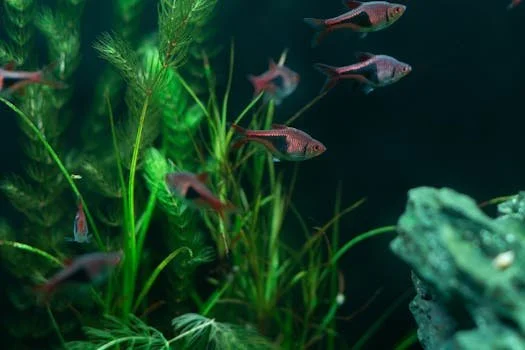
Photo by Shamsuri Azmi on Pexels
How to Position Pothos Cuttings on the Aquarium Rim
The most important rule for growing pothos in a tank is that only the roots should be in the water. The leaves and stems must stay above the waterline. If the leaves are submerged, they will rot and cause water quality problems. Your goal is to let the roots dangle into the tank while the vine climbs upward into the air.
There are several ways to hold the plant in position. For fish that will not attack the roots, you can place the cutting directly in the tank with the leaves growing out over the rim. An aquarium lid or a small gap at the top can hold the plant in place. For fish that are known to nibble on plants, such as goldfish or silver dollars, Aquarium Co-Op recommends putting the pothos in a hang-on-back filter. Tuck the roots into the filter chamber away from the impeller, and let the leaves grow out through the opening. The filter protects the roots while still allowing the plant to pull nutrients from the water.
If your tank has a tight-fitting lid, you can still grow pothos. Many hobbyists run the stem through the cutout for the airline tubing or the filter slot. Fishlore notes that this approach works well as long as the leaves are above the water and the roots have room to spread.
What to Avoid When Growing Pothos in an Aquarium
While pothos is a forgiving plant, there are a few mistakes that beginners often make. The first is submerging the leaves. No matter how tempting it is to let the whole plant sit underwater, the leaves need air to survive. Keep the foliage above the rim at all times.
Another common error is failing to wash soil-grown plants. Leftover fertilizer or soil particles can spike ammonia levels and harm fish. Take time to clean the roots carefully before placing the plant in the tank. If you want to avoid that step entirely, start with a cutting. A single leaf node with a small root nub will root in water, and it carries no risk of contaminating your tank. Aquarium Co-Op states that a pothos cutting will root in water with no problem, though it may grow slightly slower at first compared to a mature soil-grown plant.
If you have pets like cats or dogs, be aware that pothos leaves and stems contain insoluble calcium oxalate crystals. Fishlore and Aquarium Co-Op both note that the plant is toxic to cats and dogs if ingested. The roots are not considered poisonous, but the leaves should be kept out of reach of curious pets.
How a Poth-O-Carry Holder Helps Keep the Plant Secure
One challenge beginners face is keeping the cutting in place while the roots are still short. A bare stem balancing on the rim can slip into the tank or fall out entirely. A rim-mounted holder solves that problem by giving the stem a fixed position that holds it steady as the roots grow.
The Poth-O-Carry Original Line is designed specifically for this purpose. It clips onto the rim of your aquarium and holds the pothos cutting securely with the leaves above water and the roots reaching down into the tank. The holder keeps the plant in one spot, preventing it from floating loose or sinking. For tanks with thicker rims or adjustable needs, the Versa Line and Triptych Line offer adjustable-height and multi-position options. There is also a Grove Mini for smaller plants or tanks where space is tight.
Using a holder also makes maintenance easier. When you need to trim roots or clean the tank, you can lift the entire plant out without disturbing the substrate or the rest of the aquarium. The holder keeps everything tidy and accessible.
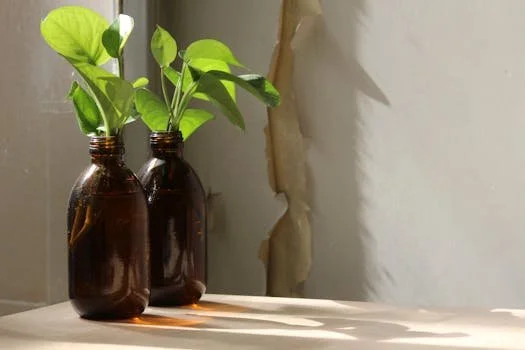
Photo by Marzieh Sadat Rooholamin on Pexels
Starting from a Cutting: Step-by-Step
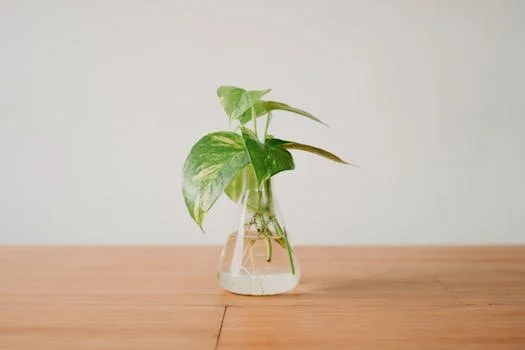
Take a cutting. Snip a stem from a healthy pothos plant. Include at least one leaf node (the small bump where roots will grow) and two or three leaves.
Place the cutting in water. You can root the cutting in a cup of dechlorinated water before moving it to the tank, or put it directly into the aquarium. The node must be submerged; the leaves must stay dry.
Secure the cutting on the rim. Use a Poth-O-Carry holder, a lid gap, or another method to hold the stem in place. Make sure the roots have room to hang down into the water.
Wait for growth. Roots will appear within a week or two. New leaves will follow as the plant establishes itself. In a tank with many fish, growth can be rapid.
Trim as needed. Once the roots become long and dense, you can trim them back with clean scissors. This prevents them from clogging filter intakes or taking up too much space.
Considerations for Fish and Tank Safety
A point of debate among hobbyists is whether pothos roots are safe for fish to nibble. Some forum users have expressed concern that the roots could be toxic, citing warnings from ichthyologists. On the other hand, Aquarium Co-Op states that they have no reports of aquarium fish having health problems from pothos roots in the water. The leaves and stems contain calcium oxalate crystals, but the roots are not considered poisonous. The consensus among experienced keepers is that the roots are safe, but if you notice fish chewing on them, it may be best to move the plant to a filter or use a protective mesh. Observing your fish closely after adding pothos is always a good practice.
For plant-eating fish, placing pothos in a hang-on-back filter is the safest option. The fish cannot reach the roots, and the plant still does its job of absorbing nitrates. For fish that ignore plants, direct placement in the tank works well and provides the added benefit of root structures where fish like bettas can swim and hide.
Long-Term Care and Maintenance
Once your pothos is established, it requires almost no attention. You do not need to add fertilizer because the fish waste supplies all the nutrients the plant needs. The plant tolerates low light, so it will grow even in tanks without strong aquarium lights. Fishlore confirms that pothos can handle low light conditions without issue.
Periodically, you may want to trim the vines to keep them from taking over the room. You can propagate the trimmed pieces to start new plants for other tanks or for gifts. Check the roots occasionally to make sure they are not blocking filter intakes or overrunning the tank. A quick trim every few weeks keeps everything in balance.
Frequently Asked Questions
Can pothos grow fully submerged underwater?
No. Pothos leaves and stems must stay above the waterline to survive. Only the roots should be submerged. If the leaves are underwater, they will rot and can harm water quality. Always position the plant so the foliage is above the rim of the tank.
Is pothos safe for all types of aquarium fish?
Most fish are not harmed by pothos roots. Aquarium Co-Op reports no known health problems from roots in the water. However, some sources debate whether roots could be toxic if nibbled. If your fish eat the roots, move the plant to a hang-on-back filter. Always watch your fish after adding any new plant.
How quickly will pothos lower nitrates in my tank?
Pothos begins absorbing nitrates as soon as roots develop, typically within one to two weeks. The effect is gradual but noticeable in tanks with a high bioload. Regular water changes are still necessary, but pothos reduces how often you need to perform them.
Can I use pothos with a tight-fitting aquarium lid?
Yes. Run the stem through a cutout used for airline tubing, filter hoses, or the filter slot. The leaves will grow out above the lid while the roots hang into the water. If your lid has no gaps, consider using a rim-mounted holder that works with the lid slightly open.
What should I do if my cat or dog eats pothos leaves?
Pothos leaves contain insoluble calcium oxalate crystals that are toxic to cats and dogs. If your pet ingests any part of the leaf or stem, contact your veterinarian immediately. Keep the plant in a location where pets cannot reach it, such as a high shelf or a room that is closed off to animals.